
August 9, 2026

SEASONAL MENUS

Why the calendar — not the cookbook — is the most important tool in my kitchen, and how seasonal cooking makes every event taste better.
If you ask me for the single secret behind good food on the Central Coast, it is not a technique or a special ingredient. It is timing. Cooking with the seasons is the closest thing I know to a guarantee that a dish will taste extraordinary. After nearly thirty years cooking in this region, I plan every menu — for a wedding, a private dinner, or a corporate lunch — around what is at its peak that week. This guide is a tour through the Central Coast year: what comes into season when, why it matters, and how to build a menu that tastes of the exact moment you are eating it.

Why Seasonal Food Simply Tastes Better

There is nothing mystical about it. A tomato picked ripe in August and served two days later has had its whole life to develop sugar and acid and aroma. The same tomato grown out of season, picked green, and shipped across the country arrives structurally intact but flavorless. No amount of skill in the kitchen fully closes that gap. Seasonal cooking also means abundance, which means value. When Central Coast strawberries or heirloom tomatoes are at their peak, they are everywhere and they are affordable — so a menu built around them eats richer without costing more. Cooking against the season does the opposite: you pay a premium for ingredients that are, at that moment, at their worst. Working with the calendar is the rare choice that improves the food and the budget at the same time.
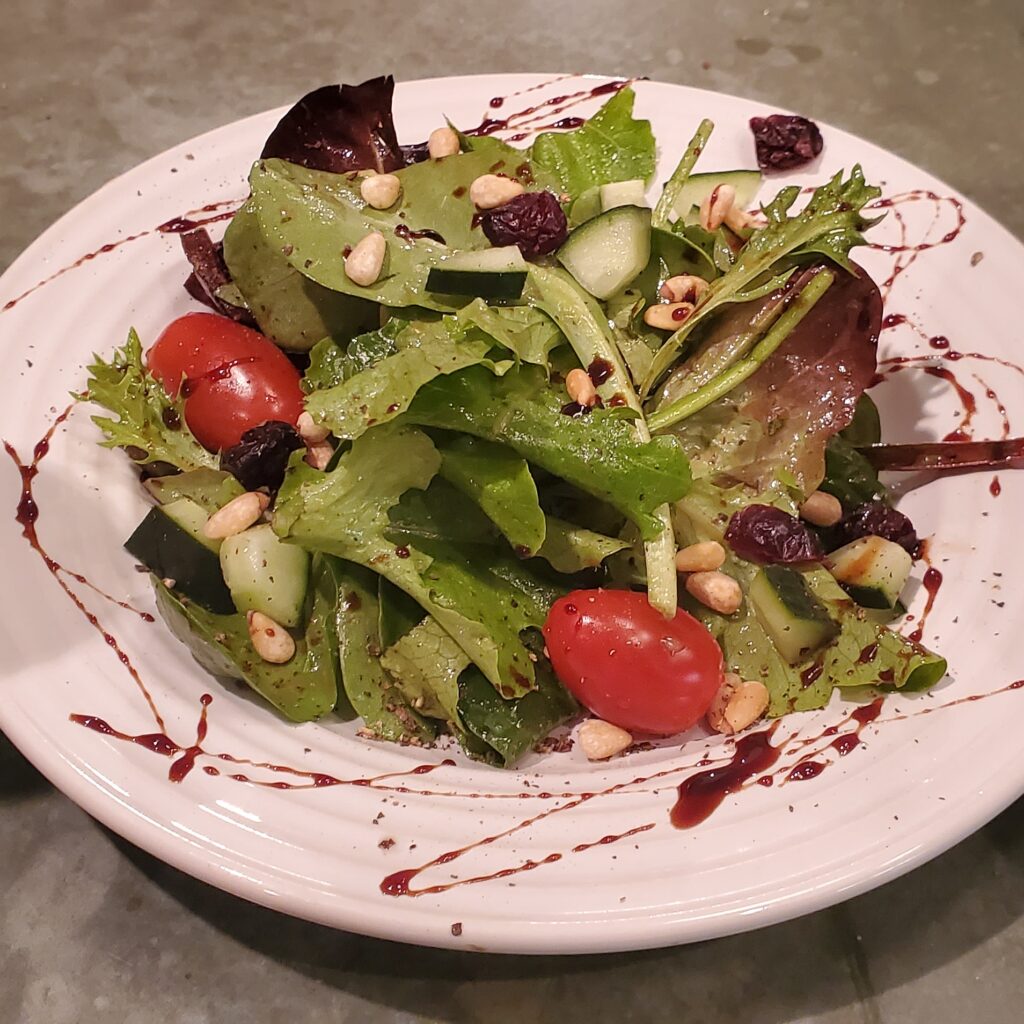
Chef Gregory's signature salad, freshly plated

A plated dinner amid the vines — the Central Coast at its most sublime

The People Who Make the Seasons Possible

Seasonal cooking only works if you know where things come from, and the Central Coast makes that easy. Within about an hour of my kitchen I can reach specialty vegetable farms, grass-fed beef and lamb ranches, orchards, and the fishing boats of Morro Bay bringing in halibut and Dungeness crab. These are not anonymous suppliers — they are people I have worked with for years. When I plan a menu, I am not guessing what might be available; I am asking the grower directly what is looking best that week. That relationship is what lets me promise a client that the food at their event will taste of this place, in this season, rather than of a distribution warehouse.

THE CENTRAL COAST YEAR — WHAT'S AT ITS PEAK

Spring (Mar–May): Asparagus, English peas, fava beans, artichokes, nettles, spring lamb, halibut, early strawberries
Summer (Jun–Aug): Heirloom tomatoes, stone fruit, corn, squash blossoms, peppers, Pacific salmon, grass-fed beef
Fall (Sep–Nov): Wild mushrooms, figs, pomegranates, persimmons, hard squash, chestnuts, harvest lamb
Winter (Dec–Feb): Citrus, root vegetables, braising greens, local oysters, aged cheeses, preserved goods

Cooking the Seasons, Course by Course

The best way to understand seasonal cooking is to see how a single menu shifts across the year. In spring I might open with asparagus and a soft egg, move to halibut with peas and favas, and finish with the first strawberries. By late summer that same three-course shape becomes a heirloom tomato salad, grilled salmon with corn, and a stone-fruit galette. Come fall it turns earthy and warm: a wild-mushroom tart, roasted lamb with hard squash, and a fig-and-honey dessert. Winter leans into citrus, braises, and aged cheeses. The structure stays familiar; the content follows the land. That is the whole philosophy in a single menu — the calendar writes the first draft, and I refine it.

“I don’t really design menus. The season designs them, and I just translate. My job is to stay out of the way of an ingredient that is already perfect.”

— Chef Gregory S. Kalatsky

If you are planning an event and want it to taste of its moment, keep these in mind:

  • Pick your date first, then build the menu — not the other way around
  • Trust the peak ingredient over the impressive-sounding one that is out of season
  • Ask what is being harvested that week; the best menus are often decided days before the event
  • Let one or two ingredients at their absolute peak be the stars, rather than crowding the plate

Do these, and the season does most of the work for you.

From Field to Table, in Miles Not Days

The reason seasonal cooking is so powerful here comes down to distance. Much of what I serve travels less than sixty miles from where it was grown or caught to where it is eaten. Fish landed in Morro Bay in the morning can be on a plate that evening. Produce picked ripe at a Paso Robles farm reaches the table before it has had a chance to fade.

That short journey is the difference you taste but cannot quite name at a great meal. It is not a secret recipe — it is freshness measured in hours instead of days, and it is a luxury this particular stretch of California happens to make ordinary.
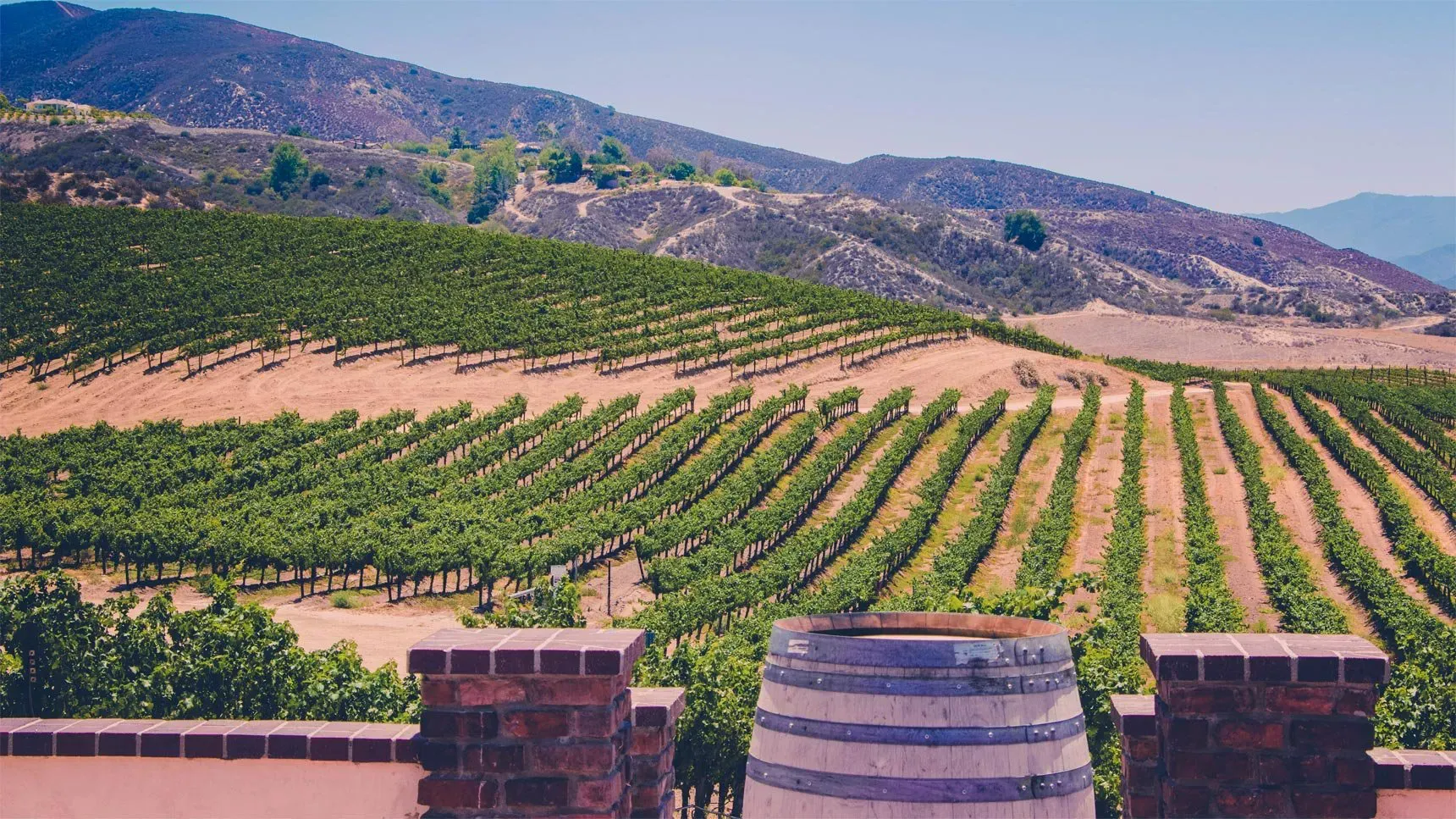
California Central Coast wine country hills

A plated dinner amid the vines — the Central Coast at its most sublime

How to Build a Menu That Tastes of the Season

Whether you are planning your own dinner or briefing a caterer, these principles will make any seasonal menu stronger:

1. Start with the Date
The season is the first ingredient. Decide when you are eating before you decide what.

2. Shop the Peak, Not the Recipe
If a recipe calls for an out-of-season ingredient, change the recipe — not the calendar.

3. Keep Plates Simple
Peak ingredients need very little. Let two or three great things share a plate instead of ten mediocre ones.

4. Ask Where It Came From
The closer the source, the better the food. A good caterer or market can always tell you; if they cannot, that is an answer too.

A Final Word

Seasonal cooking is not a trend, and it is not complicated. It is simply the practice of serving each ingredient at the one moment it is at its best — and on the Central Coast, we are lucky enough to have extraordinary ingredients in every month of the year. If you are planning an event and want a menu that tastes of the exact season you are celebrating, that is precisely how I like to cook. Tell me your date, and let us see what the land is offering.

In This Article

Planning a Central Coast Wedding?

Chef Gregory is taking limited bookings for 2026 & 2027. Request your complimentary consultation today.
More Recipes from Chef Gregory

August 9, 2026
Four Rules for Corporate Catering That Reflects Well on You

The Complete Guide to Corporate Event Catering on the Central Coast

From board breakfasts to company celebrations — how to feed your team and clients well, without the logistics landing on your desk.
Read more
August 9, 2026
How to Build a Menu That Tastes of the Season

Eating with the Seasons: A Central Coast Menu Guide

Why the calendar — not the cookbook — is the most important tool in my kitchen, and how seasonal cooking makes every event taste better.
Read more
August 9, 2026
Four Ways to Make the Night Extraordinary

The Private Chef Dinner Party: A Guide to Hosting an Unforgettable Evening at Home

What it’s actually like to bring a chef into your home — how it works, what it costs you in effort (almost nothing), and how to make the night extraordinary.
Read more
August 9, 2026
Four Principles for a Wedding Feast Guests Remember

How to Plan an Unforgettable Wine Country Wedding Feast in Paso Robles

From the first menu tasting to the last late-night bite, here is how I help couples turn a Central Coast wedding into a meal their guests never stop talking about.
Read more
June 21, 2026
Making the Most of Your Paso Robles Wedding Feast

Why Paso Robles Wine Country Is the Perfect Backdrop for Your Wedding Feast

The rolling vineyards of Paso Robles offer more than spectacular views — they provide a culinary terroir unlike anywhere else on the California coast. Here’s how to make the most of it.
Read more