The rolling vineyards of Paso Robles offer more than spectacular views — they provide a culinary terroir unlike anywhere else on the California coast. Here’s how to make the most of it.
I have been cooking in Paso Robles for nearly three decades. In that time, I have watched this region transform from a quiet agricultural community into one of the most exciting wine and food destinations in California. And over the course of hundreds of weddings catered in its vineyards, estates, and ranches, I have come to believe something with total conviction: there is no better setting in California for a wedding feast than the Central Coast wine country.
This isn’t just a caterer’s pride in his home region. It is a conclusion drawn from the practical reality of cooking here — from working with the farmers, ranchers, fishermen, and winemakers who make this land so extraordinary. Let me explain why.
In the wine world, “terroir” describes the complete natural environment in which a grape is grown — the soil, the climate, the topography, the microorganisms. The idea is that a wine cannot be separated from the place it came from. Paso Robles winemakers talk about this constantly, and they’re right.
What most people don’t realize is that the terroir of Paso Robles extends far beyond the grape. The same calcium-rich limestone soils, the same 50-degree diurnal temperature swings between hot days and cool nights, the same Pacific marine influence pushing through the Templeton Gap — all of these forces shape the quality of everything grown here. The stone fruit. The olive oil. The vegetables. The cattle on the hillside ranches. The lamb in the Santa Lucia Range.
When I design a wedding menu for a Paso Robles event, I’m not just choosing dishes — I’m choosing an expression of this particular piece of California. And that expression is extraordinary.
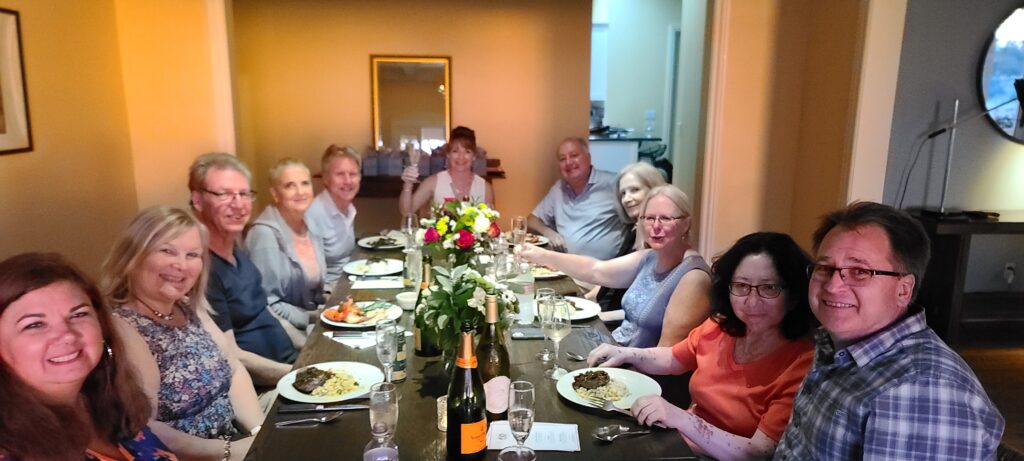
A plated dinner amid the vines — the Central Coast at its most sublime
Every chef talks about local sourcing. In Paso Robles, it isn’t a marketing phrase — it’s a practical reality that directly and measurably improves the food on your guests’ plates. Here’s what that looks like in practice.
For a spring wedding, I might be working with Windrose Farm in Paso Robles, who grow some of the finest specialty vegetables in California — heirloom tomatoes, multicolored carrots, extraordinary lettuces. A summer event might feature wild-caught Dungeness crab from Morro Bay, just 30 miles to the west, combined with early stone fruit from the orchards of the Salinas Valley to the north. A fall harvest dinner will anchor on grass-fed beef from the ranches of the Santa Lucia Highlands, paired with wild mushrooms foraged from the coastal hills.
None of this travels more than 60 miles to my kitchen. The difference in flavor between that and product shipped from a regional food service distributor is not subtle. Your guests will taste it — and they will remember it.
One of the great joys of catering in Paso Robles wine country is that the wine pairings often suggest themselves. When you’re working with producers who are your neighbors — whose vineyards you drive past on the way to the venue — the conversation becomes collaborative rather than transactional.
I have relationships with a number of Paso Robles wineries who trust me to design menus around their wines for harvest dinners, wine club events, and private dinners. That same sensibility carries directly into wedding catering. If your wedding venue is a winery — or even if it isn’t — we can build a wine program that is genuinely integrated with the food rather than simply adjacent to it.
“A glass of Paso Zinfandel with the right dish isn’t just a pairing — it’s a conversation between the land and the cook. When both are from the same place, that conversation is effortless.”
— Chef Gregory S. Kalatsky
For a typical Paso Robles wedding menu, I might recommend:
All of these wines are made within 20 miles of where your guests are sitting. That’s a story worth telling — and a meal worth remembering.
Paso Robles and the surrounding Central Coast region are home to an extraordinary variety of wedding venues that are genuinely designed around the dining experience. Vineyard estates with long tables set between the rows. Ranch properties with outdoor kitchens and fire pits. Historic buildings with ballrooms that open onto rose gardens. Hilltop venues with panoramic views of rolling oak-covered hills that turn gold in the late afternoon light.
These settings do something that no amount of floral design or lighting can replicate: they create a sensory environment that makes guests present. When people are present — when they’re not looking at their phones, when they’re leaning into conversation, when they’re genuinely engaged with where they are — they taste their food more deeply. A well-executed dish at a table in a Paso Robles vineyard at golden hour is an experience that a ballroom in a hotel simply cannot match.
A plated dinner amid the vines — the Central Coast at its most sublime
If you’re planning a wedding in Paso Robles wine country — or anywhere on the Central Coast — here are the principles I’d encourage you to embrace when thinking about your catering:
Don’t go into your menu consultation with a rigid idea of what you want to serve. Tell me the season of your wedding and let’s discover together what is extraordinary at that moment. A summer tomato salad made with Windrose Farm heirlooms will outperform a generic caprese at any time of year.
Paso Robles produces genuinely world-class wines across a remarkable range of varietals. Don’t default to generic California wines from a broad-distribution label when you can serve your guests something grown within sight of your venue. Your winery will likely have recommendations; so will I.
Central Coast weather is exceptional. Don’t hide indoors if you don’t have to. A menu designed for outdoor service — with consideration for temperature, wind, and service logistics — will outperform an indoor menu transplanted to the garden. This is something I plan carefully for every outdoor event.
The moments guests remember most at a wedding feast are the unexpected ones. A late-night taco station. A cheese and honey board that appears at sunset. A house-made sorbet between courses. These don’t need to be expensive — they need to be genuine and well-executed. That’s where the memory lives.
I have been part of many weddings in this region over 27 years. The couples who have the most memorable experiences are universally the ones who leaned into where they were — who trusted the land, the season, the local producers, and the vision of a culinary partner who knows this place intimately.
Paso Robles wine country doesn’t need to be made into something it’s not. It’s already extraordinary. Your wedding feast just needs to express that truth.
Chef Gregory is taking limited bookings for 2026 & 2027. Request your complimentary consultation today.
Discover Our Other Websites for Your Business Needs